Should your business bring food photography in-house?
This article is the first instalment of a 10 part guide on Bringing Food Photography In-House. Click on the link to read part 2: What you need to set up a simple table top studio in your workplace.
More and more businesses are wondering whether doing their food photography in-house could help them save time, reduce costs and keep up with the constant demand for fresh content. It’s a perfectly reasonable question - especially when your usual studio is fully booked and social media deadlines don’t wait.
In-house food photography is becoming a practical solution for many businesses looking to produce high-quality images quickly and cost-effectively. However, you should understand what’s realistic and what’s not.
This guide walks you through the benefits, limitations and practical steps to help your team create strong, consistent visuals with confidence.
Why businesses are exploring in-house food photography
I’ve worked with many marketing and product teams who found themselves stuck in the gap between “we need content now” and “our next available studio slot is in three weeks.” The motivations are usually the same:
Speed and convenience: A quick social post or newsletter image becomes far easier with a simple setup ready to use.
Cost management: Not every image requires a stylist, studio and full shoot day.
Brand consistency and autonomy: Being able to shoot when needed is invaluable.
Existing internal talent: Often someone in the team loves this kind of creative work - they just need guidance.
For day-to-day content, in-house food photography can be a real asset.
What you can achieve in-house
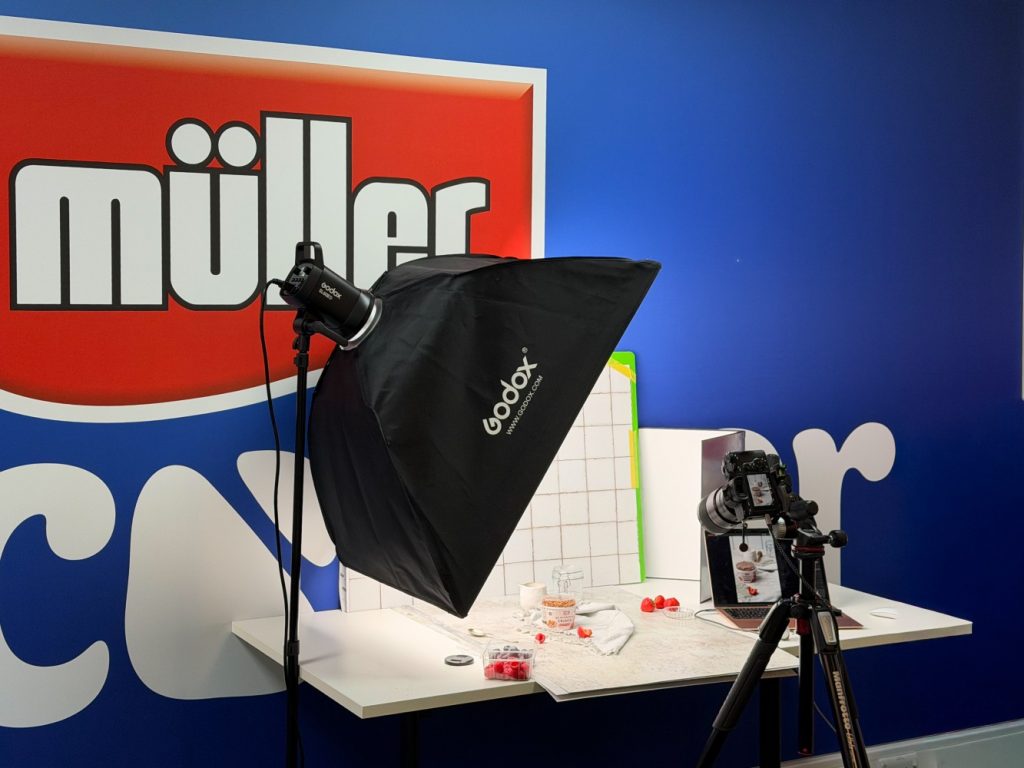
With a straightforward tabletop setup, good natural or continuous light, and a couple of photography backdrops, teams can produce:
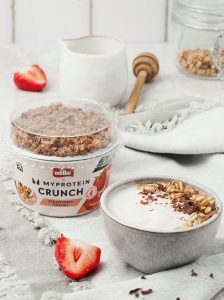
Strong, on-brand images for social media, blogs, email campaigns and internal communications
Simple product shots for menus, training materials, presentations, or quick promotions
A more consistent look and feel across their visual content
Once people understand the basics - lighting, angles, framing, styling and simple editing - the quality improves rapidly.
What not to expect from in-house photography
Here’s the bit that often surprises people:
In-house food photography isn’t meant to replace professional studio work.
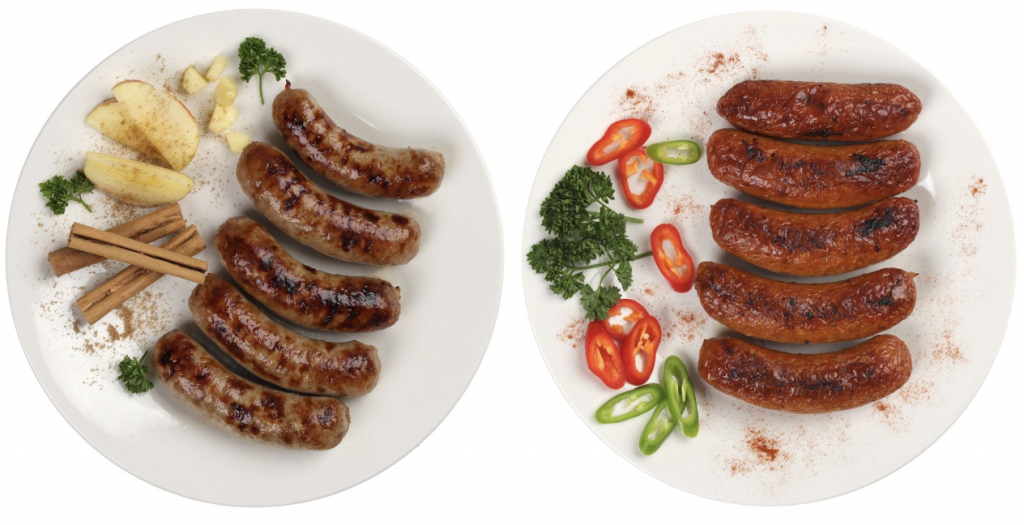
Some foods are famously difficult to photograph well: ice cream, glossy sauces, melty cheese, chocolate, anything involving steam or condensation… the list goes on.
Professional shoots benefit from:
A food stylist
Controlled studio lighting
Specialist props and tools
Technical retouching and colour management
Dedicated time (sometimes hours) per image
So for packaging, hero shots, major campaigns or anything where accuracy and polish matter, outsourcing remains the best option.
In-house setups shine for everyday content - not billboard-level perfection.
The best solution for most businesses: a hybrid model
Most organisations I support end up using a hybrid model that looks like this:
Use in-house food photography for:
Social media posts
Website updates
Quick product launches
Blogs and newsletters
Internal comms and training materials
Use a professional photographer for:
Packaging
Hero campaign images
Advertorials
Complex dishes
Anything requiring flawless consistency
This approach offers the freedom and responsiveness of internal content creation without sacrificing quality when it truly counts.
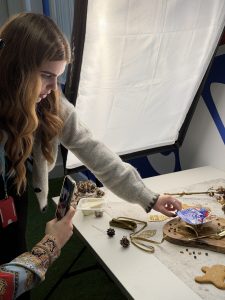
What you need to make in-house food photography work
A functional internal setup doesn’t need to be complicated or expensive. You’ll get the best results with:
A small, dedicated shooting space
Consistent lighting — one continuous light + reflector works brilliantly
Neutral background boards
Basic styling knowledge (simple, uncluttered scenes are often best)
Brand guidelines for lighting, angles and editing
A willing team member who enjoys the creative side
Some initial training to avoid common pitfalls
Once your team understands how light behaves and how to simplify a scene, the improvement is immediate and long-lasting.
Questions to ask before deciding
Do we regularly need quick visuals that don’t justify a full studio shoot?
Do we have someone who’d enjoy learning and taking ownership of in-house food photography?
Are we prepared to invest a little time upfront to set up a reliable system?
When in-house food photography is approached with the right structure, teams gain far more control over their visual content while reducing reliance on external studios.
Final thoughts
Bringing food photography in-house isn’t about doing everything yourself. It’s about making your content process more efficient, empowering your team, and ensuring you always have strong visuals when you need them.
With the right setup and a bit of training, most teams are surprised by just how good their images can be.
If you’d like support setting up an in-house food photography workflow or training your team, I offer tailored workshops designed specifically for businesses.
No comments yet.