

If you’ve worked through the basics and your photos still aren’t consistently sharp, it can start to feel frustrating.
At this stage, it’s usually not one obvious issue, but a combination of settings and situations that are slightly more nuanced. The good news is that once you understand what’s going on, you can make small adjustments that make a big difference.
Before diving in, it’s worth making sure you’ve checked the basics - shutter speed, focus mode and where your focus point is placed. If you haven’t already, I’ve covered those in this guide.
Once you’re confident the basics are in place, the next step is to look at other possible causes for blurred subjects.
1. You’re using the wrong autofocus area mode
This is probably the most important setting at this stage.
Your camera has different autofocus area options - for example:
single point
zone
wide / automatic
tracking modes
Each one tells the camera how much control it has over what to focus on.
If you’re using a wide or automatic area, the camera may choose something other than your intended subject, especially in a busy scene. On the other hand, if you’re using a very small focus point on a fast-moving subject, it can be difficult to keep it exactly where it needs to be.
Choosing the right autofocus area depends on your subject. For something still, a single point gives you the most control. For movement, a larger area or tracking mode can be more effective, but it takes practice to use well.
2. Your camera is struggling to lock focus
Autofocus systems rely on contrast. If your scene is:
low contrast
very dark
or full of similar tones
your camera may struggle to find something to lock onto. This is often noticeable when shooting backlit subjects, fog or haze or low light scenes
In these situations, you may find the focus hunts back and forth, or locks onto something unexpected. Slowing down slightly and choosing a clear point of contrast can help.
3. Your aperture is too wide for the situation
A wide aperture (such as f/1.8 or f/2.8) creates a very shallow depth of field. At this level, even a small shift in focus can mean:
the eyes are soft
only part of the subject is sharp
or the focus falls just in front or behind
This is particularly noticeable with portraits, close-up shots and longer focal lengths
Stopping down slightly to f/4 or f/5.6 often gives you a bit more room for error while still keeping a soft background.
4. You’re not matching your shutter speed to your focal length
Even if your shutter speed seems “fast enough”, it may not be when you consider your focal length. As a rough guide your shutter speed should be at least the reciprocal of your focal length:
200mm → at least 1/200
400mm → at least 1/400
If you’re below this, you’re much more likely to introduce blur through camera movement.
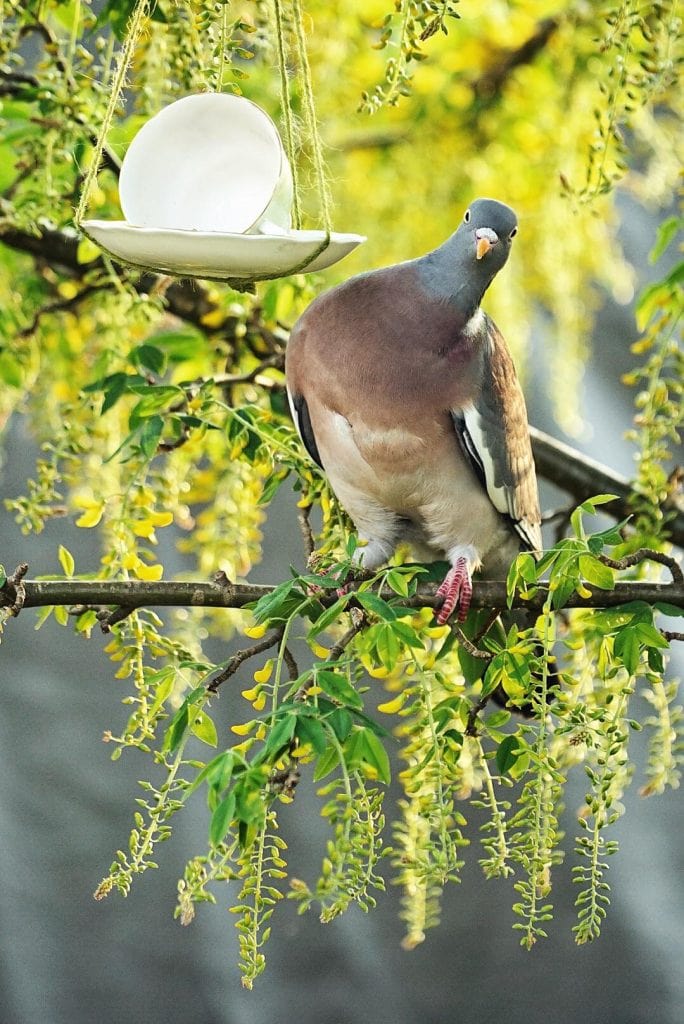
5. Busy scenes can confuse autofocus
When there are multiple elements in a scene, your camera has more to choose from, for example: branches in front of a subject, a person in a crowd or textured or layered backgrounds
Even with the right settings, autofocus can be pulled away from your subject, especially if something closer to the camera has stronger contrast.
Being more deliberate about your focus area and position becomes increasingly important in these situations. Using a smaller focus area can help, but it can still be tricky to place it exactly where you want it.
In these cases, switching to manual focus can sometimes be a simpler and more reliable option. Many cameras now have focus peaking, which highlights the areas that are in focus, making it much easier to see what you’re doing. It can take a little getting used to, but for scenes with lots of visual clutter it can be a very effective way of taking back control.
6. Some subjects are simply more difficult
Not all subjects are equal when it comes to sharpness. Fast-moving or unpredictable subjects, such as wildlife, sports or birds in flight, are naturally more challenging. They require a combination of:
the right settings
good timing
and practice
I saw this very clearly on a workshop I ran photographing birds of prey in flight. Even with experienced photographers, getting consistently sharp images depended heavily on choosing the right focus mode, focus area and shutter speed. When everything came together, the results were fantastic, but it wasn’t something that happened by chance.
7. Your camera has its limits
More basic cameras can struggle in situations that more advanced cameras handle more easily.
This might include:
tracking moving subjects
focusing in low light
keeping focus locked in complex scenes
That doesn’t mean you can’t get sharp photos, but it does mean you may need to simplify your approach, be more selective about what you shoot and work within those limits.
Modern cameras have powerful autofocus, but they need setting up properly
More advanced cameras, like my Sony A7iii, have incredibly sophisticated autofocus systems. They can track subjects, detect faces and even focus on eyes, including animals and birds. The flip side of this is that there are a lot more settings to choose from, and it’s not always obvious which combination will work best for what you’re photographing.
When I first started using mine, I realised quite quickly that I wasn’t getting the best out of it just by leaving everything on default. I ended up doing quite a bit of my own research to understand how to set it up properly for different situations.
Features like tracking modes, eye autofocus and subject detection can make a huge difference, but only if they’re set appropriately. For example, using eye autofocus for portraits can transform your results, whereas for fast-moving wildlife you might need to look at different tracking options or subject-specific settings, such as bird eye detection.
Each camera brand (and even each model) handles these things slightly differently, so it’s well worth spending a bit of time looking up guidance specific to your camera. YouTube can be particularly helpful here - especially videos from brand ambassadors or experienced users who show exactly how they’ve set their cameras up for different types of photography.
Once you start to understand how your camera’s autofocus system works, it becomes much easier to get consistent, sharp results.
Bringing it all together
At this stage, getting sharp photos is less about one setting and more about how everything works together.
You’re balancing:
focus mode
focus area
aperture
shutter speed
and the behaviour of your subject
The more you practise, the more instinctive these decisions become.
If you’d like to build confidence with these settings and see how they work in practice, my one-to-one lessons are tailored to you and your camera.
No comments yet.