
How to Get Off Auto Mode on Your Camera Without Feeling Overwhelmed
If you want to get off Auto mode but feel slightly intimidated by where to start you are not alone. A lot of people assume the only alternative to Auto is full Manual mode - and that can make the whole thing feel much more complicated than it needs to be. The good news is that there is a much simpler way to start.
In fact, for many people, the semi-automatic modes are more than enough. They give you more control, more creative choice and a better understanding of your camera, without expecting you to do absolutely everything yourself.
If you’re not sure why you’d want to move away from Auto in the first place, you might find this helpful… Why get off auto
You do not have to jump straight to Manual
This is the first thing I always say when I teach this. Getting off Auto does not mean you have to go straight to Manual mode.
There can sometimes be a feeling that shooting in Manual is the “proper” way to use a camera, but I really do not see it like that. Manual is not a badge of honour. It is just one way of working, and for some people it suits the way they like to shoot.
For lots of photographers, the semi-automatic modes are a brilliant place to be. They give you control over the part of the image that matters most, while the camera still helps with the rest. That is a much easier and more enjoyable way to learn.
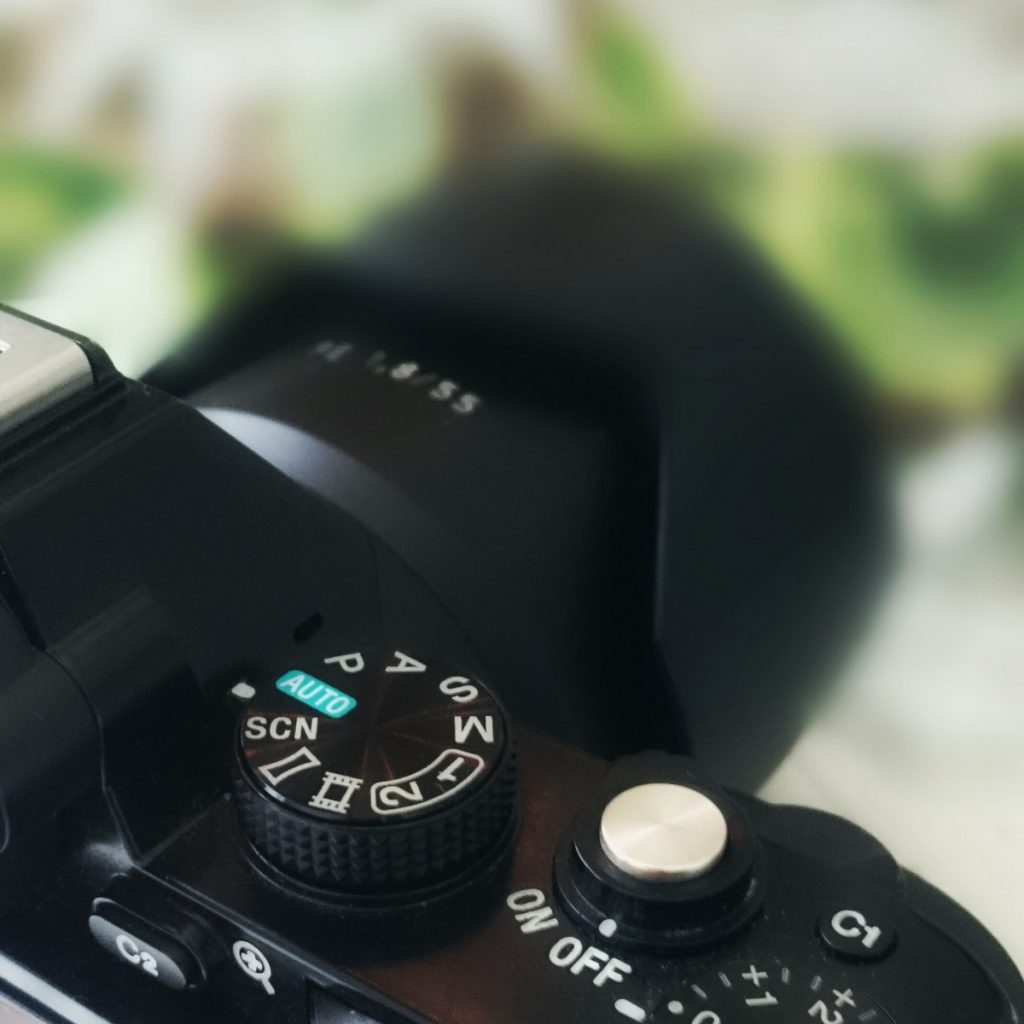
Where to start with camera modes
I recommend starting with the two modes that control shutter speed and aperture. There is also a halfway house called P mode - I sometimes call it posh auto - but it is more of a stepping stone. In practice, I think it is often easier to jump straight to one of the other two, as they give you more useful control over how your photo looks.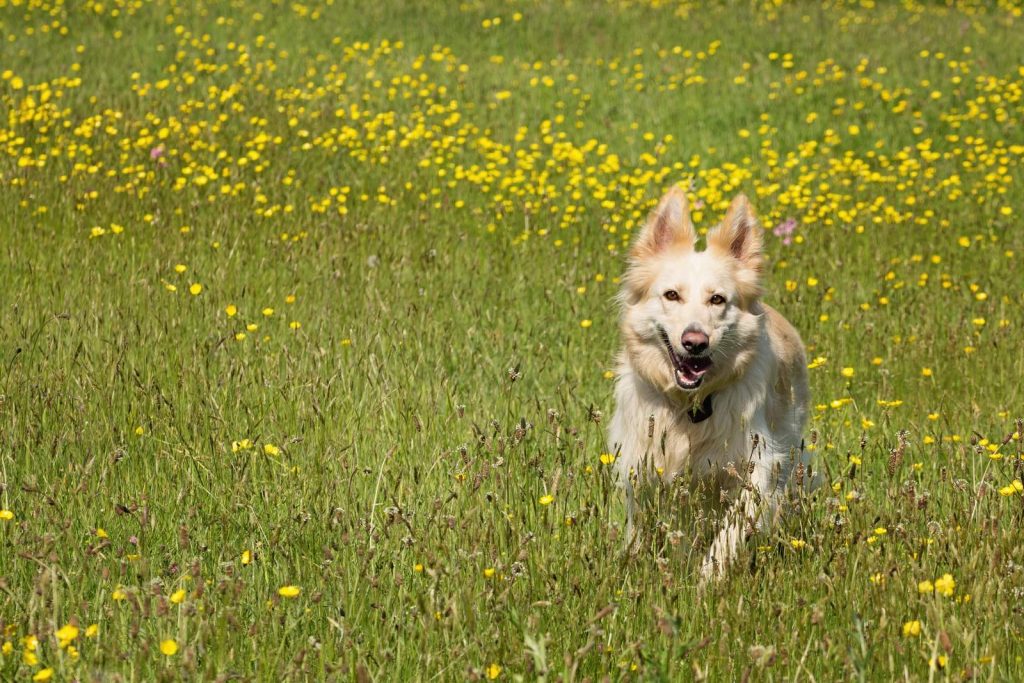
Use Shutter Priority when speed is the most important thing
On most cameras this is marked as S, and on Canon cameras it is Tv. This is the mode to use when the most important thing in your photo is speed.
That might be because you want to:
-
freeze movement
-
photograph children or pets
-
capture sport or action
-
blur movement creatively
When I teach shutter speed, I keep it very simple:
Fast shutter speed freezes movement
Slow shutter speed blurs movement
That is the main thing to understand. So if movement is the key issue in the photo, this is the mode to use.
For most everyday photography, Aperture Priority is the best place to start
On most cameras this is A, and on Canon it is Av. For a lot of people, this is the most useful mode for everyday photography and the one I recommend most often.
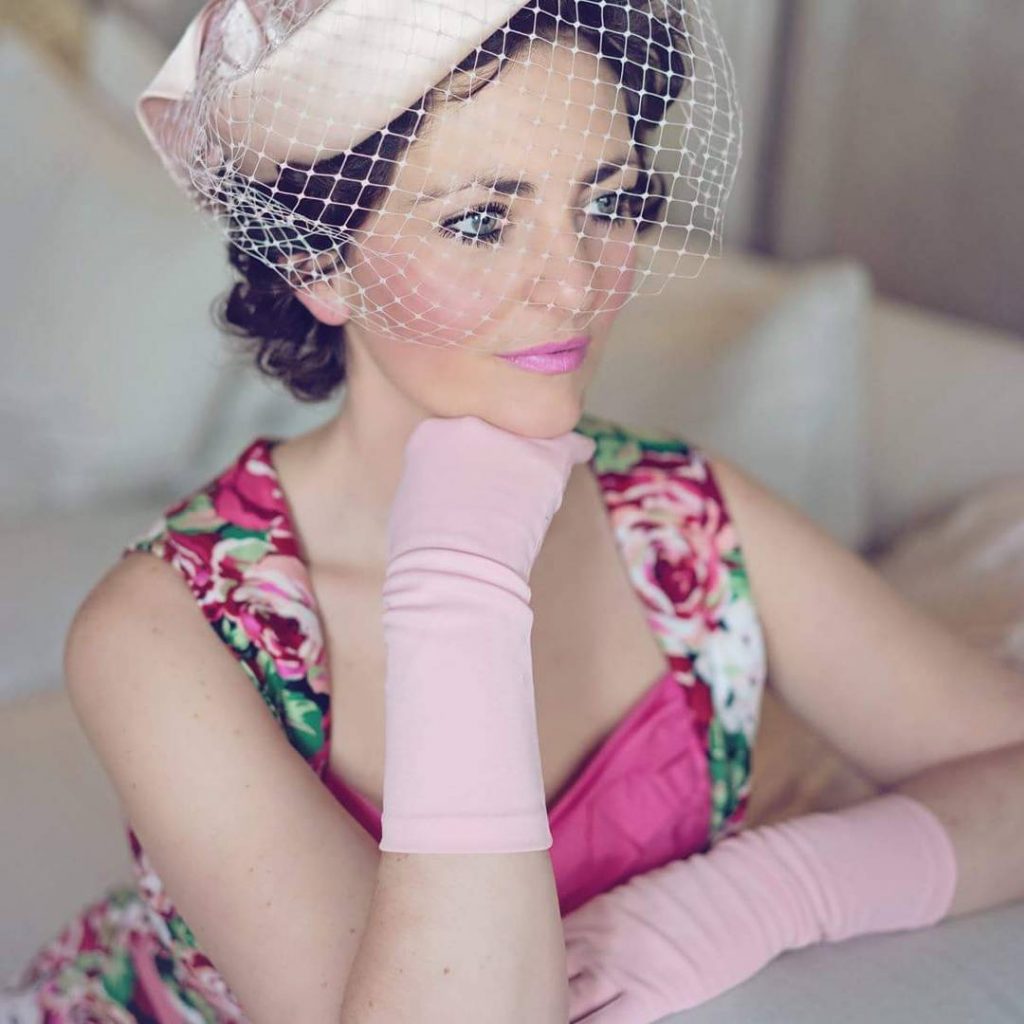
Why? Because in many situations, what you really care about is not speed - it is how much of the background you want in focus. Aperture affects how blurred the background is.
So a simple way to think about it is:
A wider aperture (low f number) gives you more background blur
A narrower aperture (higher f number) keeps more of the scene sharp.
This is especially useful for:
-
portraits
-
flowers
-
food photography
-
landscapes
-
general everyday photography
If you want to move away from Auto without getting bogged down in too much technical detail, Aperture Priority is often the best place to begin.

Where ISO fits in
ISO can sound a bit mysterious at first, but I tend to explain it very simply. Think of it as a kind of magic button that helps you keep shooting even when the light is not very good. If the light drops, ISO can help your camera cope.
In bright light, your ISO will usually stay low (around 100-200). As the light drops, you can increase it to help your camera cope (for example, around 1600-2000 in a dimly lit room).
That is enough to understand for now.
You do not need to know everything at once
One of the biggest mistakes people make is thinking they need to understand absolutely everything before they can move beyond Auto.
You really do not. You can learn this in small, manageable steps. Start with one mode. Practise in good light. Photograph something familiar. Notice what changes.
The aim is not perfection. The aim is to start feeling more in control and less reliant on your camera making every decision for you.
Final thoughts
Getting off Auto mode does not have to be dramatic or difficult.
You do not need to leap straight into Manual, and you do not need to learn every technical detail in one go.
For many people, Program, Shutter Priority and Aperture Priority are more than enough to open up a whole new level of control and creativity.
And once you understand what each mode is for, your camera starts to feel far less intimidating - and much more enjoyable to use.
If you would like help putting this into practice, my Get Off Auto workshops are designed to make all of this feel much simpler, clearer and easier to apply in real life.
No comments yet.