
Every year, somewhere between the first Christmas adverts and Black Friday, I get asked the same question: "Should I get a new camera or a new bit of gear?" Sometimes it's a new phone, or a lens someone's spotted on offer, or a gadget or an app that promises to make photos look professional. And I completely understand it. When your photos aren't coming out the way you'd like, it's tempting to think the answer is to upgrade your kit.
After 19 years of teaching photography, I've occasionally seen kit that genuinely changed someone's photos, and a lot more that ended up in a cupboard. So before the deals start, here's my honest take on the photography kit worth buying, whether you use your phone, you've got a camera you're still getting to know, or you're ready for something more.Start with what you've already got
Here's the thing nobody selling you a camera will tell you. Your phone or camera is almost certainly capable of far better photos than you're getting from it right now. Most phones from the last four or five years cope brilliantly with low light, soft focus backgrounds and close-ups, and can take photos just as good as a camera's. And cameras can do far more than they're asked to do on auto. It's not the camera that takes the photo, it's you. So before you spend anything, it's worth asking what you actually want to change. Are your photos blurry? Too dark? A bit flat and "meh"? Nearly every time, the answer is in the light, the settings or a little editing, and none of those cost a penny. That said, a few things really are worth having.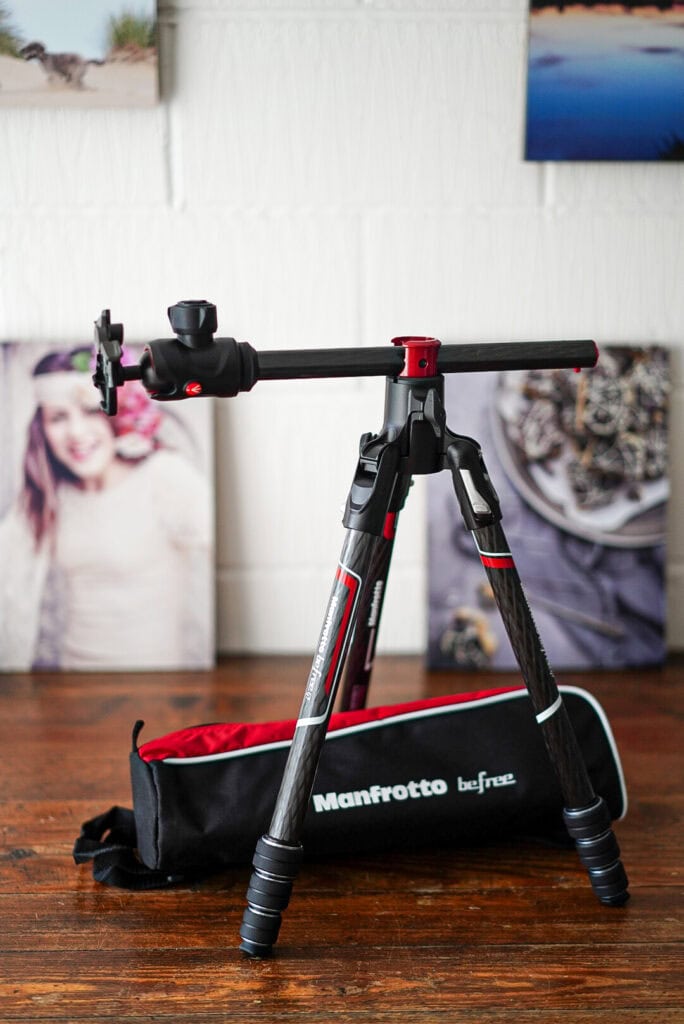
Worth it: something to keep things steady
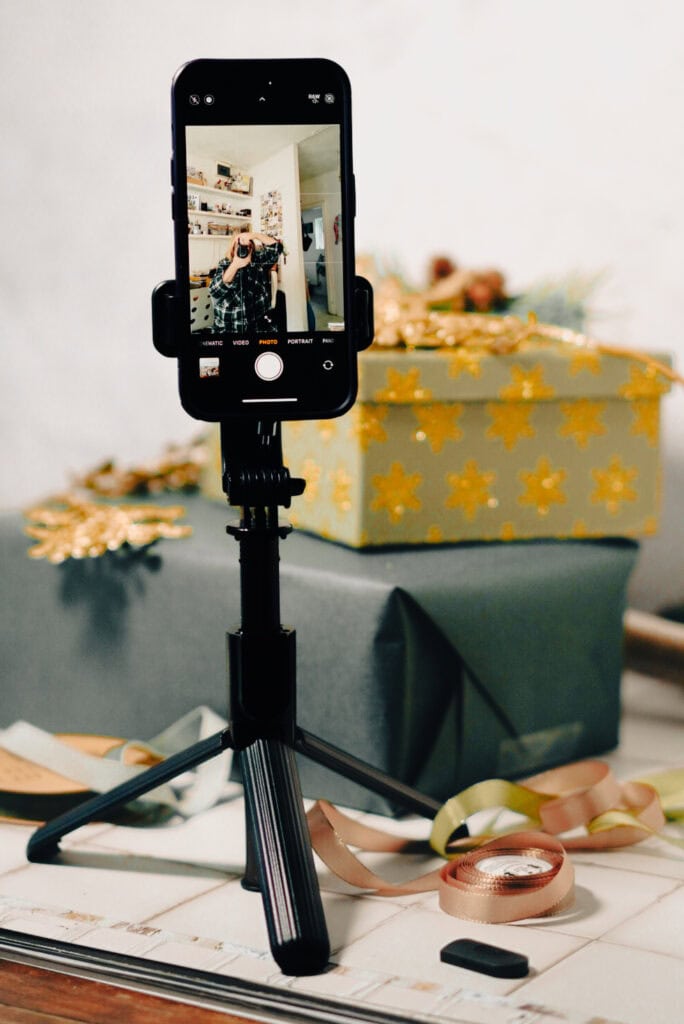
At this time of year, when the light's gone by four o'clock, a small tripod is one of the most useful things you can own. For phone users, a little one with bendy legs and a phone clamp costs very little and makes a big difference. It keeps your phone still while night mode does its job, so the Christmas lights come out sharp. It also means you can set the timer and actually be in the family photo for once. If you use a camera, a lightweight travel tripod does the same job for evening shots and the low winter light. Here's a blog I wrote about what to look for in a tripod. It's the one I use myself, and I love it because it's light, compact and easy to use. That post also asks whether you really need a tripod at all.Worth it: a spare battery
This one isn't exciting, but cold weather drains batteries much faster than you'd expect. Mirrorless cameras also drain their batteries more quickly than DSLRs, which is why I always carry a spare. There's nothing more frustrating than a beautiful frosty morning and a camera that gives up after ten minutes. A spare battery in your pocket, where it stays warm, is a small cost for a lot of peace of mind. For phone users, a small power bank does the same job.
Worth it if you're ready for more: a 50mm lens
If you've already moved off auto and you're starting to play with aperture (the setting that controls how much of the photo is in focus), a 50mm lens is one of the best buys there is. It was the first extra lens I bought, and it's the one I tell my students to get. It's a fixed lens, which means it doesn't zoom, so you move your feet instead. It's cheap, light and creates gorgeous soft focus backgrounds. It also copes very well in low light, so it's great for indoor photography too. It's so popular that it's affectionately known as the "nifty fifty". If you're still using auto, though, I'd hold off. It won't make the difference you're hoping for until you know how to get the best from it.Probably not worth it: clip-on phone lenses
They look tempting. Some are cheap, while others can cost £150 or more. I'll be honest, I haven't tried them myself, because the lenses on recent phones are so good that I'm not sure they're needed. Many phones now have a wide-angle and a close-up lens built in. But if you've had great results with a clip-on lens, I'd love to hear about it.Usually not worth it: a ring light
Ring lights are great for video calls and make-up tutorials. For everyday photos, a window does a far better job, and it's free. Move your subject towards the window, turn off the overhead lights, and you'll be amazed at the difference. Whenever I do need artificial light, I use a very simple set-up: one continuous light and a reflector.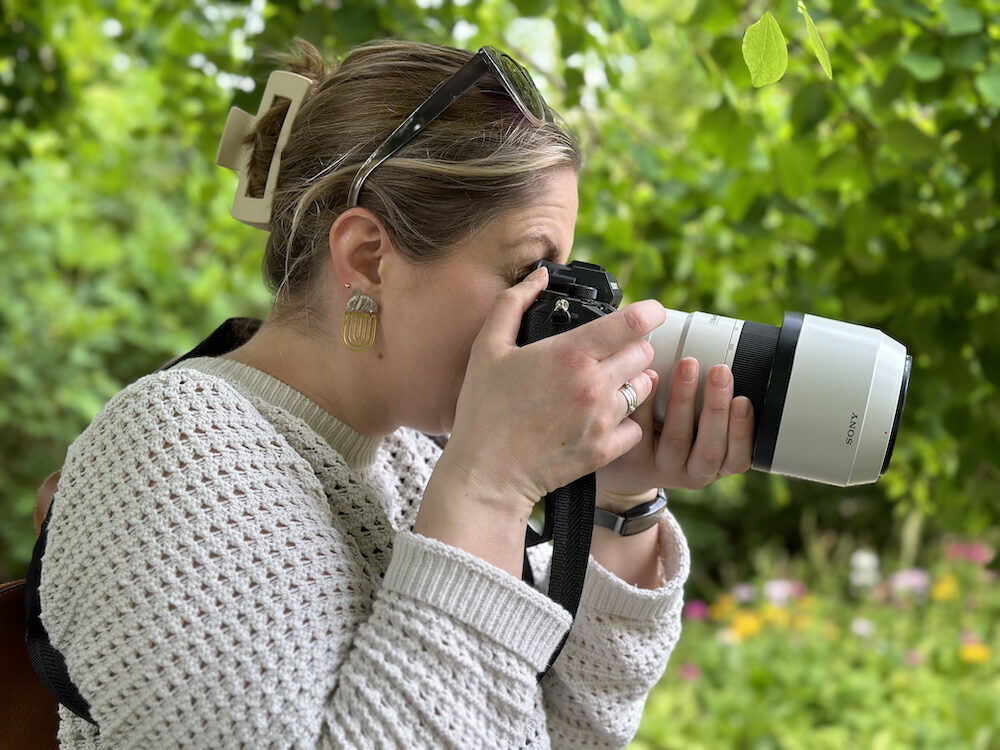
Not yet: a new camera because your photos are disappointing
This is the one I hear most often. A new camera on its own rarely fixes disappointing photos, because the camera usually isn't the problem. If yours is very old, though, an upgrade might well make sense. One of the main reasons I suggest replacing an older camera is ISO, the setting that helps your camera cope in low light. It has improved enormously over the last ten years. Cameras older than that may only go up to ISO 1600, so photos come out grainy and you literally run out of ISO for handheld shots when the light drops. I'm always happy to talk through what would actually suit you before you buy. But if you've never got your current camera off auto, start there first.Editing: try free before you pay
Editing apps are easy to overspend on too. I do have a Lightroom subscription, and lots of people will tell you it's the one the pros use. It is amazing. But the editor built into your phone is a good free place to start, and I'm a huge fan of Snapseed. It's free too, and recent updates have made it very powerful. It now has features you'd usually only find in paid apps, like masking, adding blur and healing, and it keeps getting better. It can feel a little challenging when you first open it. There are great tutorials built in, but if you learn best by doing, come along to my Smartphone Editing workshop, where we use Snapseed. The next one is on Saturday 28 November, then Tuesday 26 January. Think of editing as the second half of taking the photo. A couple of small adjustments can turn a good photo into one you're really proud of, and you don't necessarily need a subscription to get there.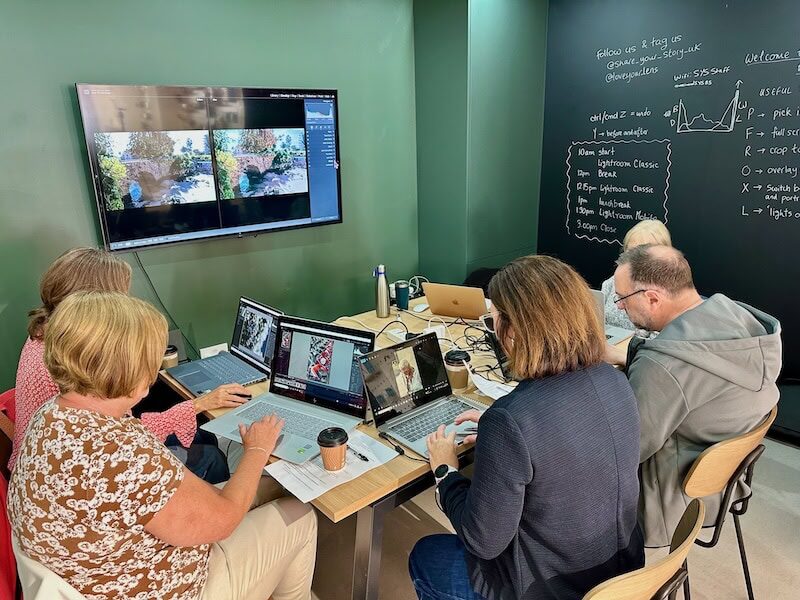
The biggest upgrade of all
The upgrade that makes the most difference doesn't come in a box. It's understanding the kit you already have, so you know what it can do and how to get it there. That's exactly what my Get Off Auto workshop is for. It's a relaxed morning at Share Your Story where you'll finally make sense of your camera, with no jargon, and come away with photos to prove it. There's still time to come before Christmas, on Tuesday 15 December, or start the new year with it on Tuesday 12 January. If you're a phone photographer, the Phone Photography workshop does the same for your phone. It runs on Tuesday 24 November and Tuesday 8 December, then again on Saturday 9 January.Sometimes it isn't the kit or the settings at all, and you just need a little help seeing what makes a good photo. That's what my Better Composition workshop is for. There's one on Tuesday 1 December, then on Tuesday 9 February
And if you're stuck for a present for someone who's always taking photos, a workshop gift voucher is one gift that definitely won't end up in a cupboard. If you'd like more honest, practical tips like these, join my email list. I send short, useful emails with ideas you can try straight away, plus first news of workshops and challenges.
No comments yet.