
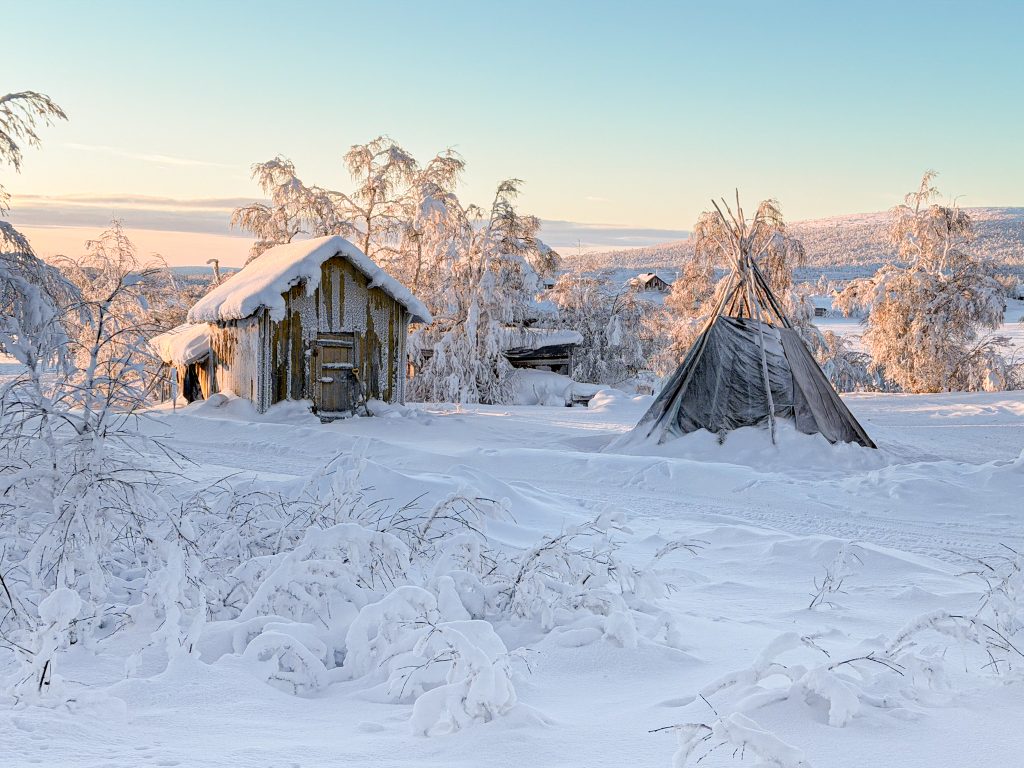
Photographing fast-paced, once-in-a-lifetime experiences without a “proper” camera
I’ve just returned from a four-night stay in Hetta, in Finnish Lapland - and I’m still processing it.
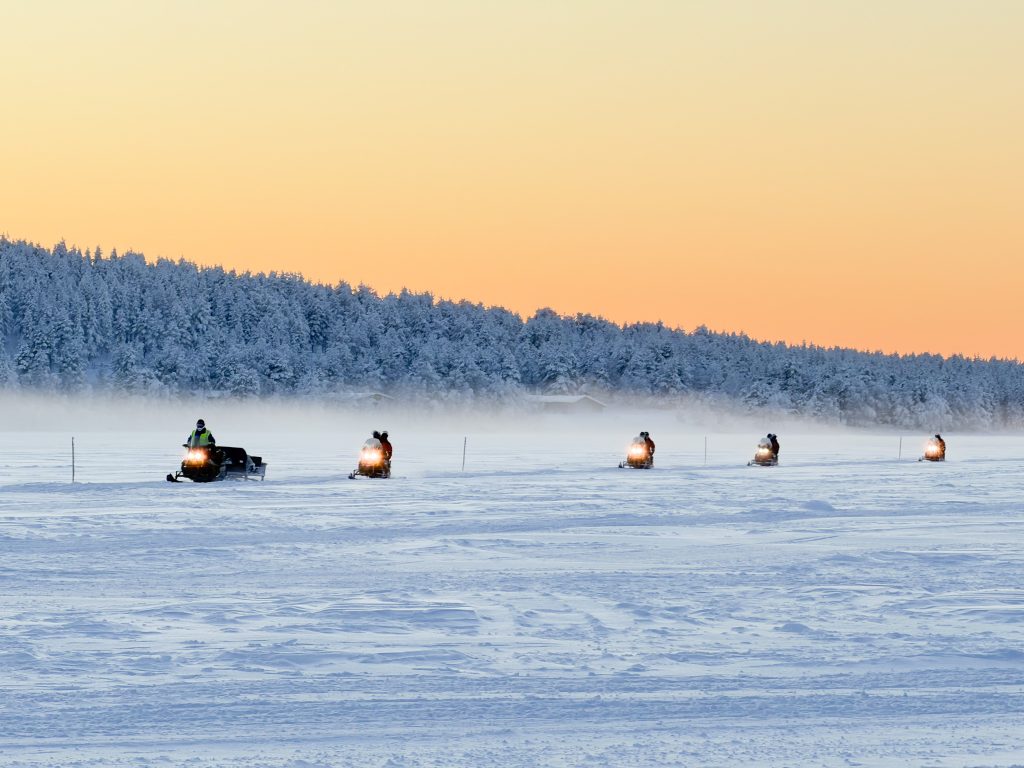
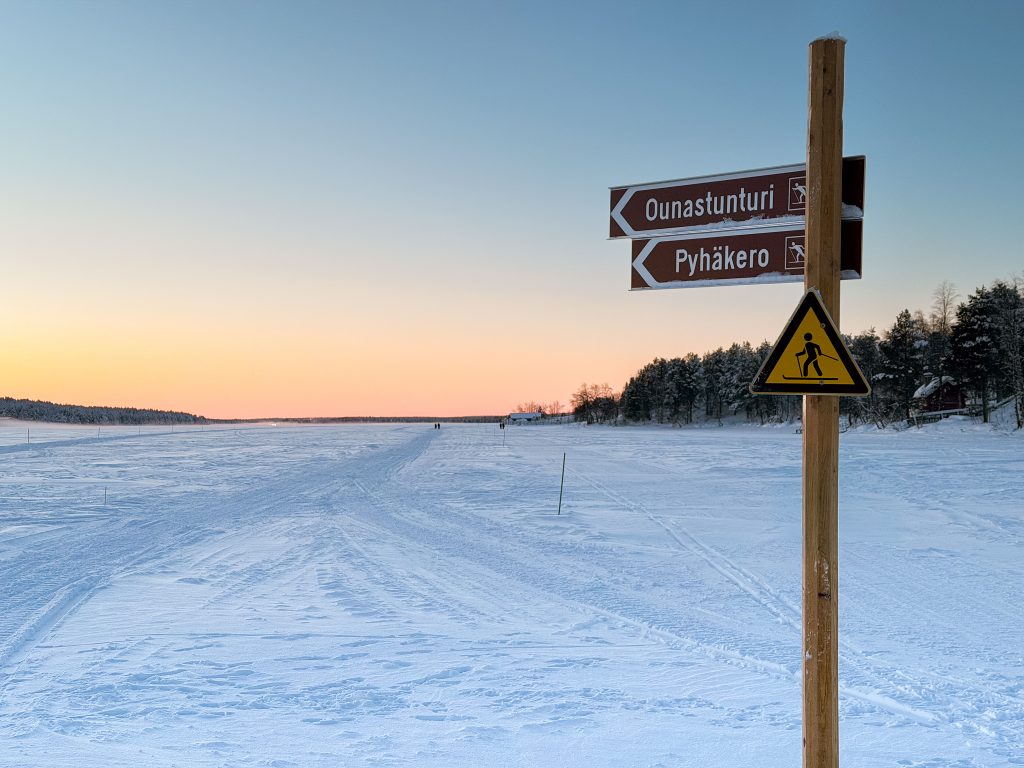
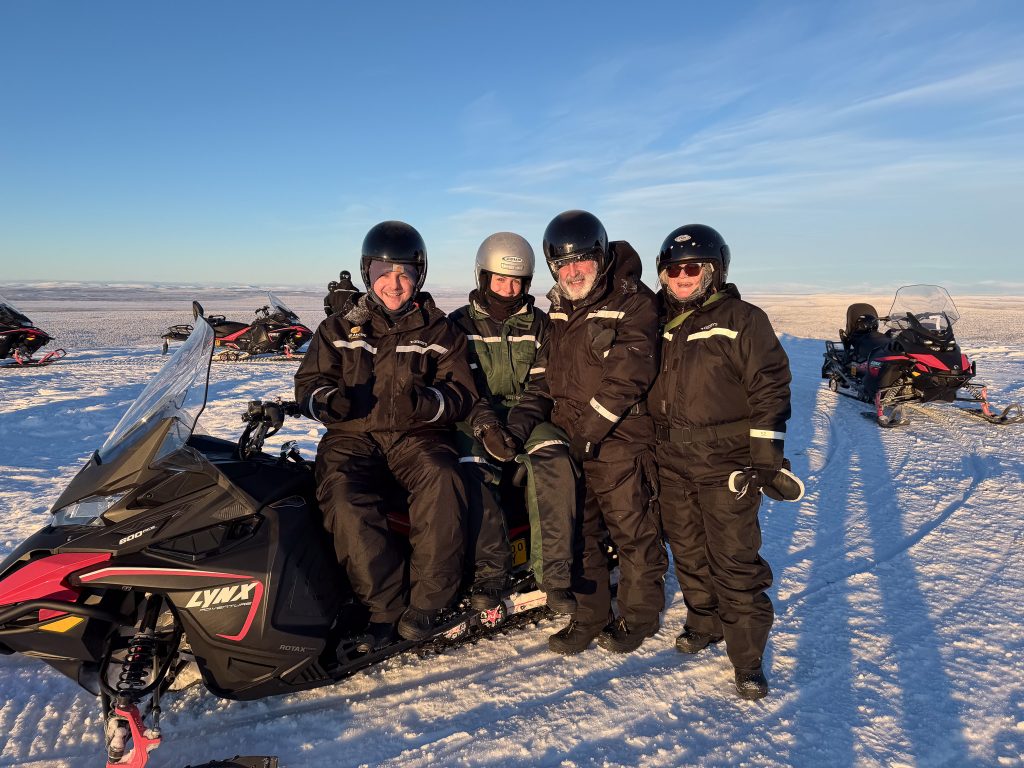
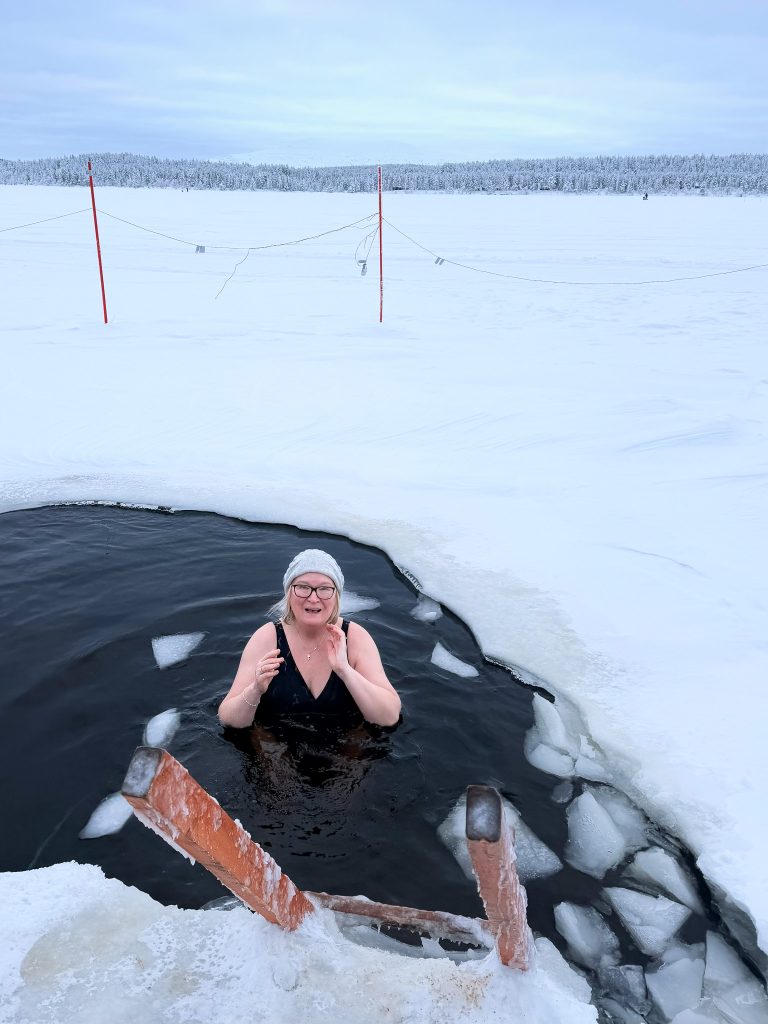
Snowshoe walks through silent forests. Night-time snowmobiling under a full Snow Moon. Daytime snowmobile safaris across frozen lakes and up to a viewpoint overlooking Finland, Norway and Sweden. Huskies pulling sleds at speed. A gentle reindeer sleigh ride through the trees. Cold air, pink skies, blue shadows and moments that moved so fast you barely had time to think.
And every single photo I brought home was taken on my phone. Not as a compromise. Not as a backup. But because, for a trip like this, it was genuinely the best tool for the job.
Why a phone made sense for Lapland
Trips like this are active, fast-paced and unpredictable. You’re constantly on the move, wearing bulky clothing and gloves, hopping on and off sleds, snowmobiles or sleighs, and moving between extreme cold outdoors and very warm indoor spaces.
A traditional camera brings a lot of extra mental load:
Worrying about batteries in the cold
Condensation when moving indoors
Changing lenses with frozen fingers
Deciding settings when moments are flying past
With my phone, none of that mattered. It was warm in my pocket, ready instantly, and robust enough to cope with the conditions. More importantly, it let me stay present in the experience rather than managing equipment.
And here’s the key thing I always try to get across in my workshops: a phone camera is not “less than”. Modern phone cameras are extraordinarily capable. The combination of optics, software, algorithms and AI means they handle tricky lighting - snow, darkness, mixed colour temperatures - far better than most people expect.
You are not compromising. You are simplifying.
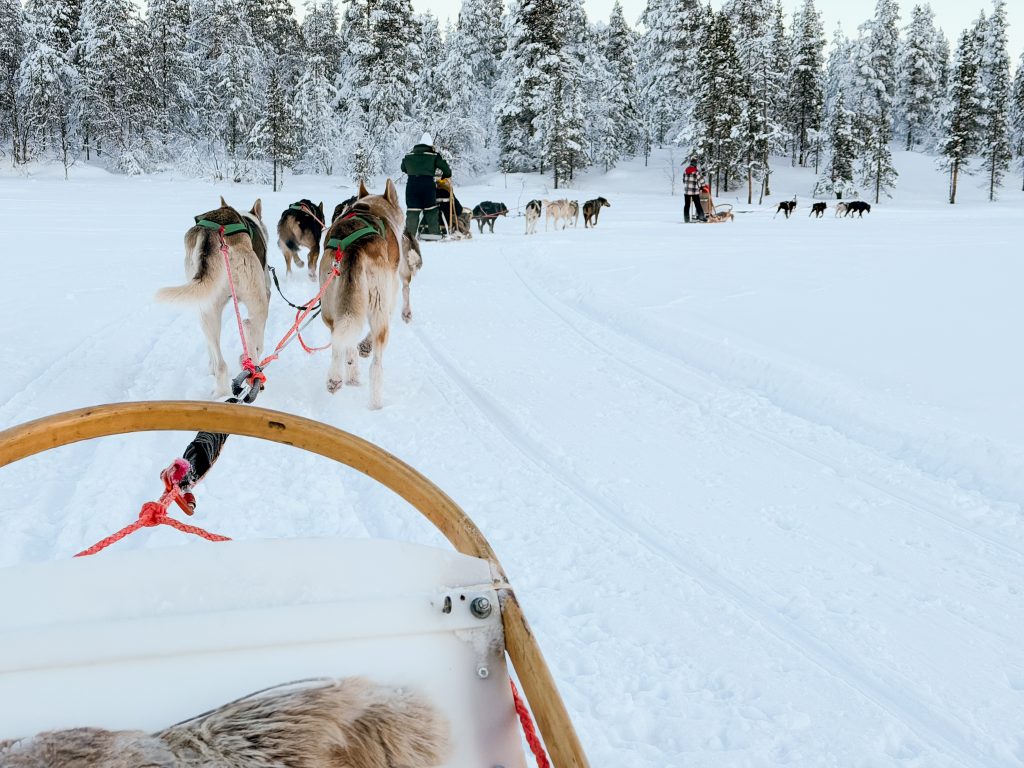
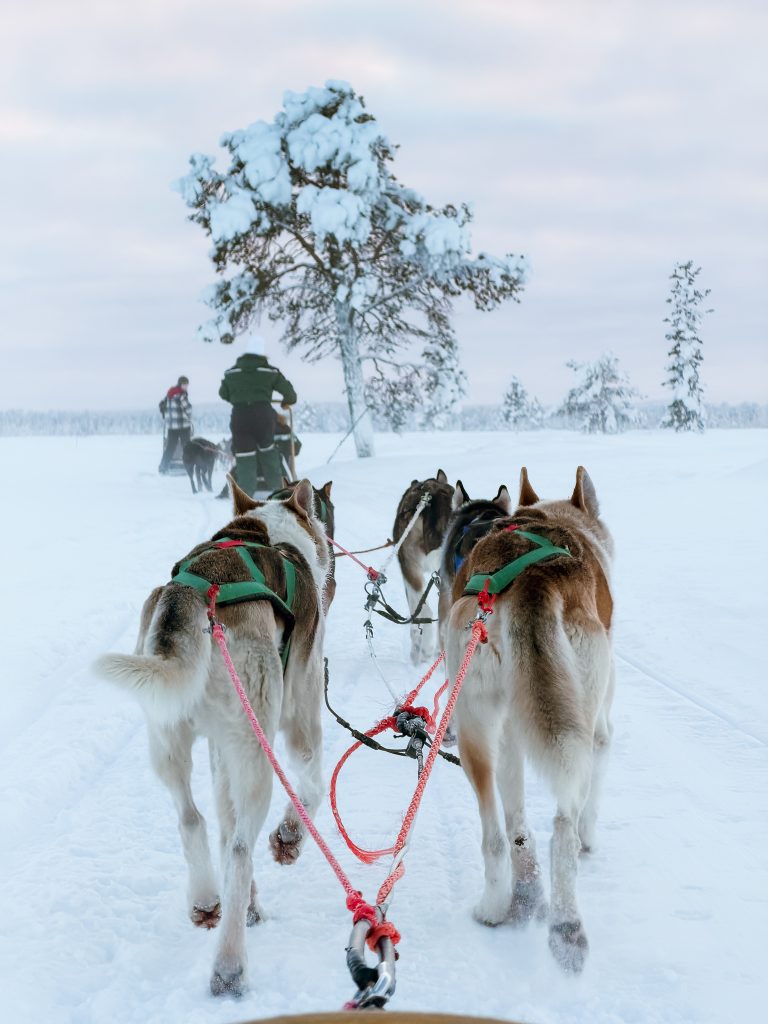
Fast moments = simple decisions
Because everything was happening so quickly, there was rarely time to fiddle with settings - and that’s absolutely fine.
Most of my decisions were:
Where to focus
Adjusting exposure slightly
Occasionally using burst or Live mode
That was it. I barely used Portrait mode, simply because there wasn’t time - and because it’s often unnecessary in wide, story-led scenes anyway. This trip was about movement, environment and experience, not shallow depth of field. Phones excel at this kind of photography because they’re designed for it.
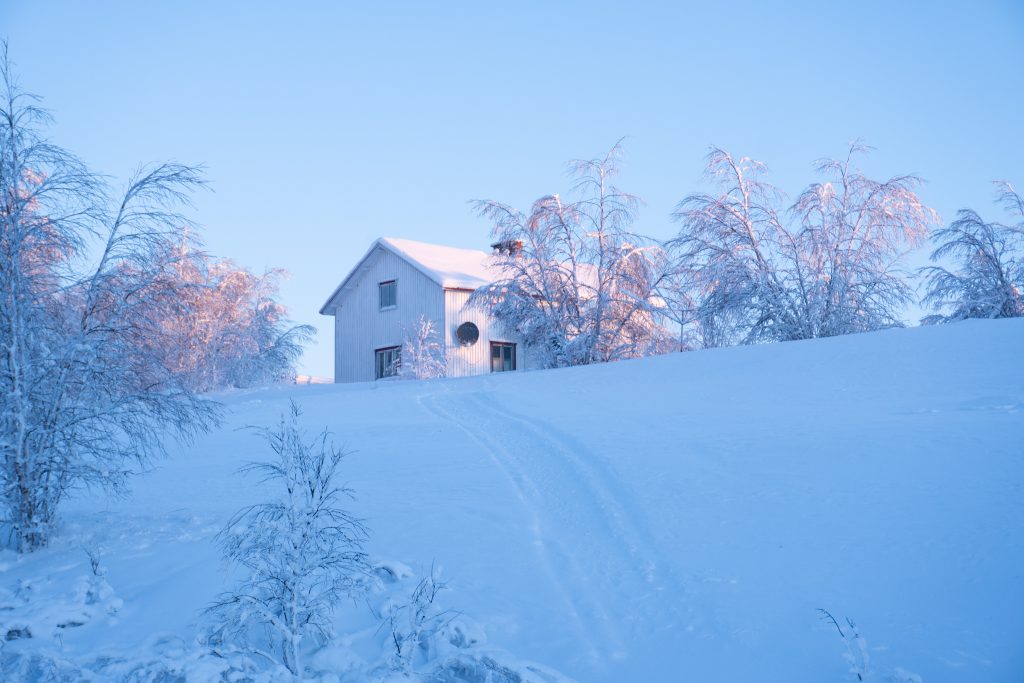
Snow is blue...
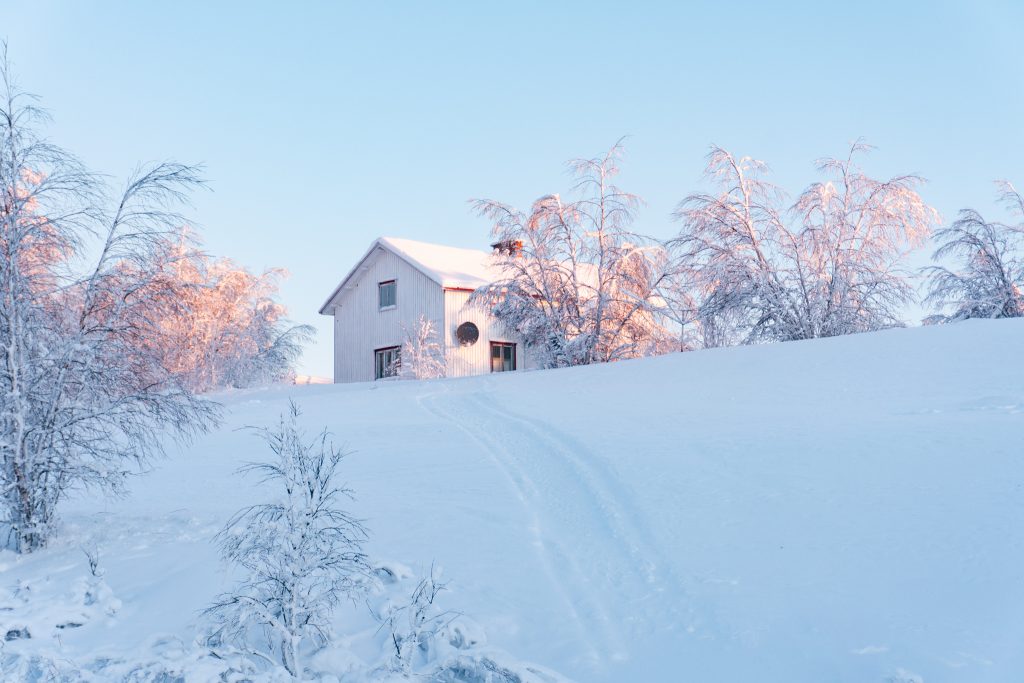
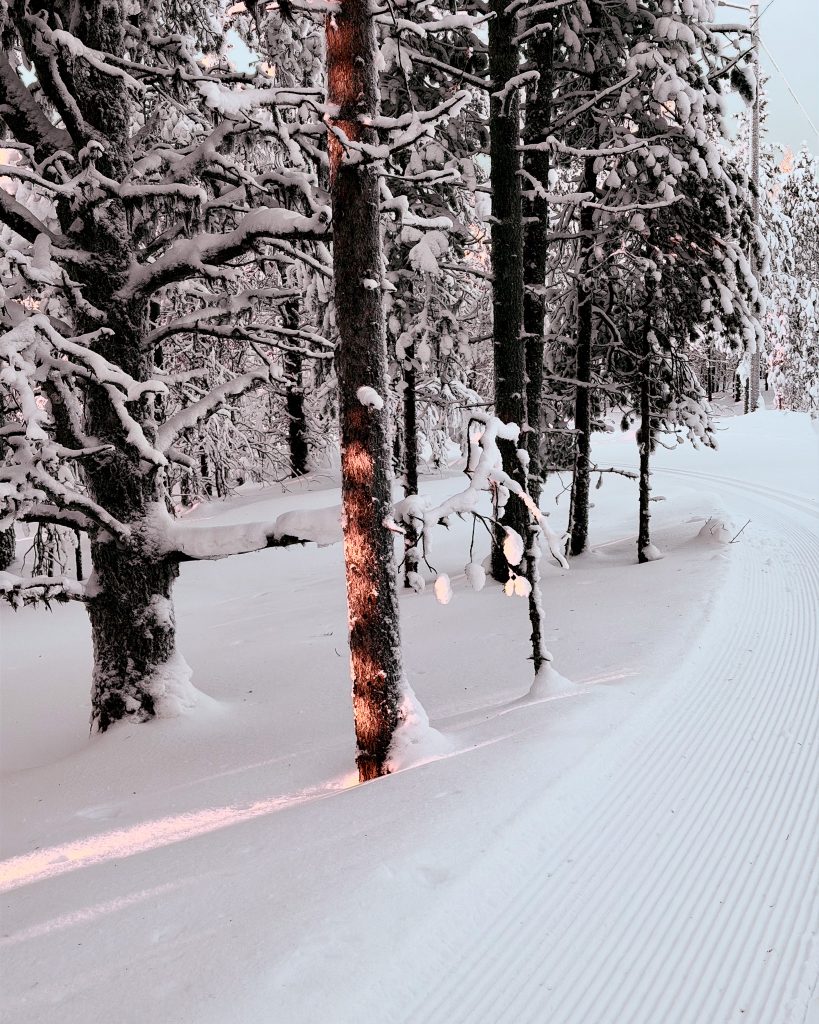
One thing that surprises people is just how blue snow photographs - especially in Lapland.
Daylight hours are short, and you’re often shooting at dawn, dusk or blue hour. The sky can be warm and glowing with pinks and oranges - or cool and ethereal with lavender and deep blues. Snow reflects all of that.
Almost all of my photos straight out of the phone had a blue cast. Some phones handled “white” snow better than others, but editing was still essential. A few gentle edits made all the difference:
Slightly warming white balance
Lifting exposure carefully
Adjusting highlights so the snow stayed detailed
Nothing heavy-handed - just bringing the image closer to how it looked and felt.
The Northern Lights (sort of)
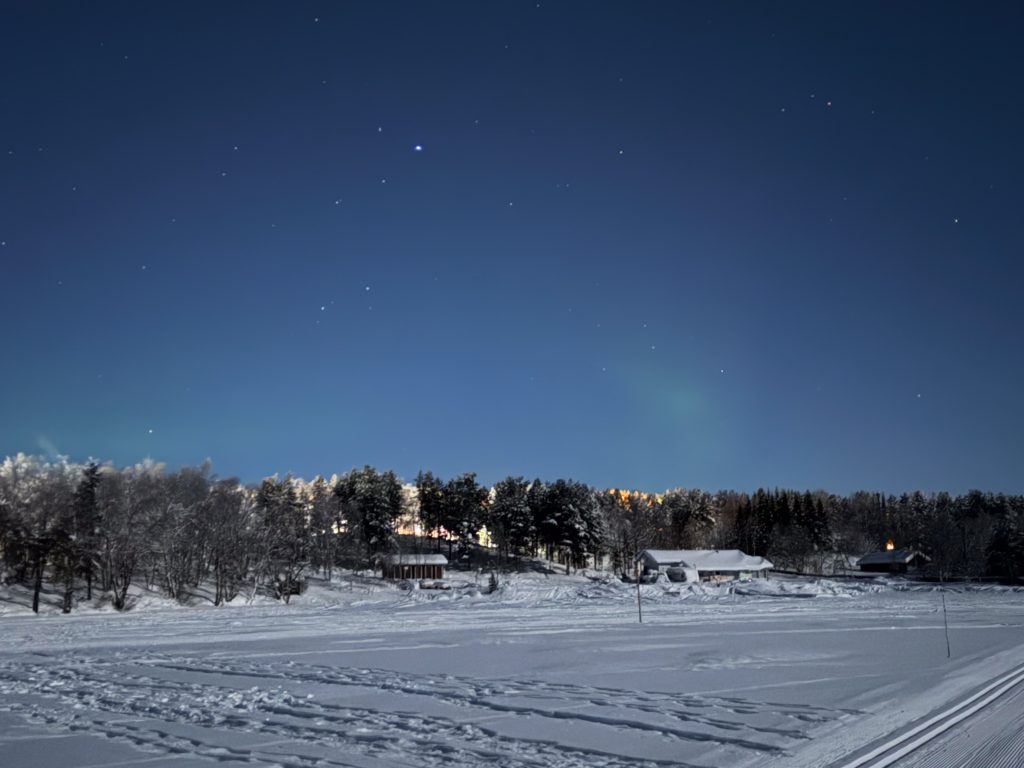
We weren’t lucky enough to see strong Northern Lights - just a faint smudge of green - but it was still a great learning experience. Night mode worked far better than turning it off. When I tried shooting without it, the images were noticeably grainy. Letting the phone do what it’s designed to do produced cleaner, more usable photos.
Zoom, angles and variety
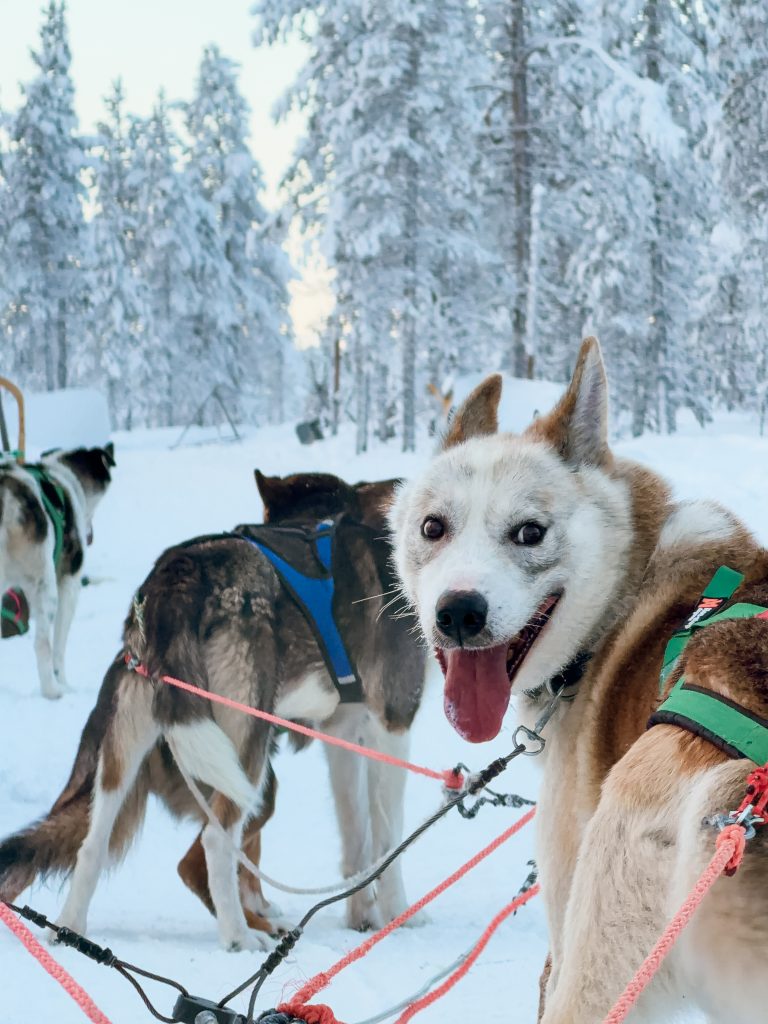
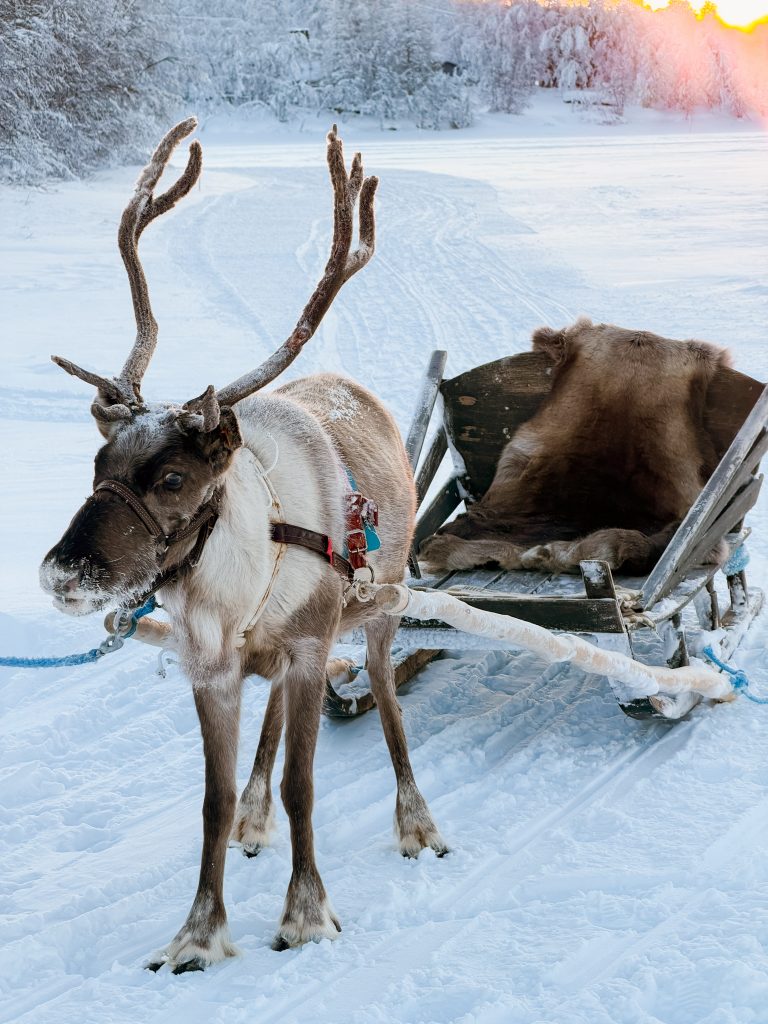
I used optical zoom* a lot - especially with the huskies and reindeer. It allowed me to:
Try different framings quickly
Capture details without stepping into unsafe areas
Switch between wide storytelling shots and tighter moments
I also made a conscious effort to shoot:
Both horizontal and vertical
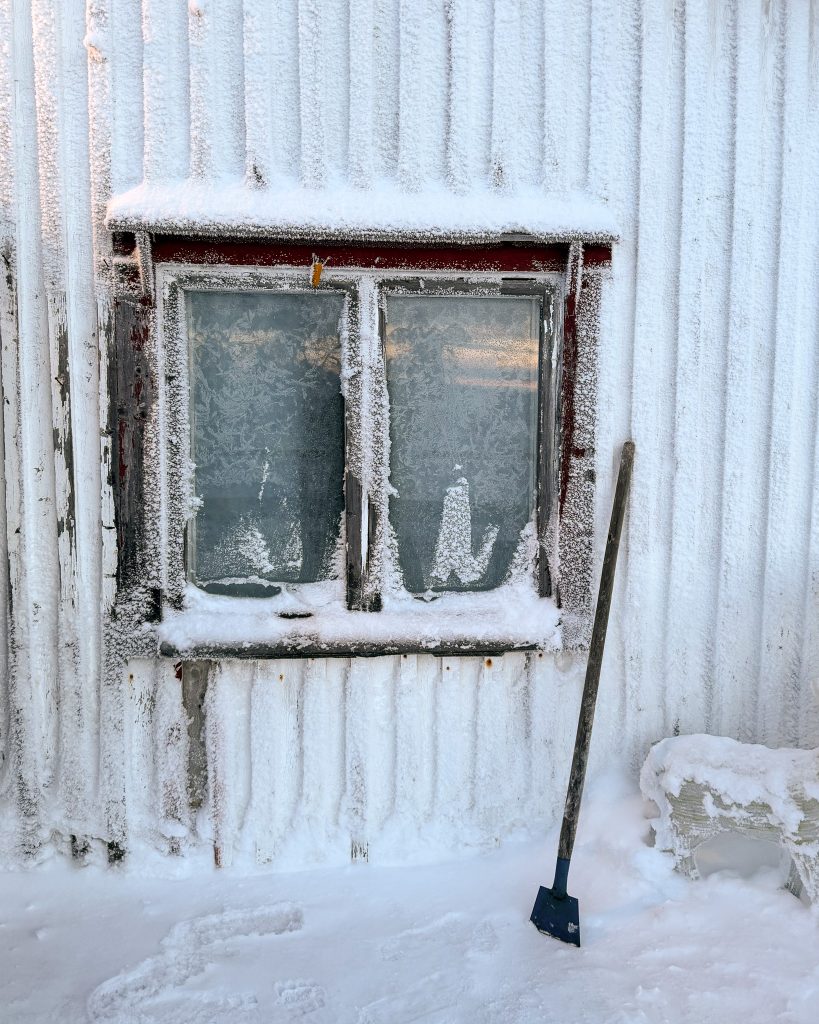
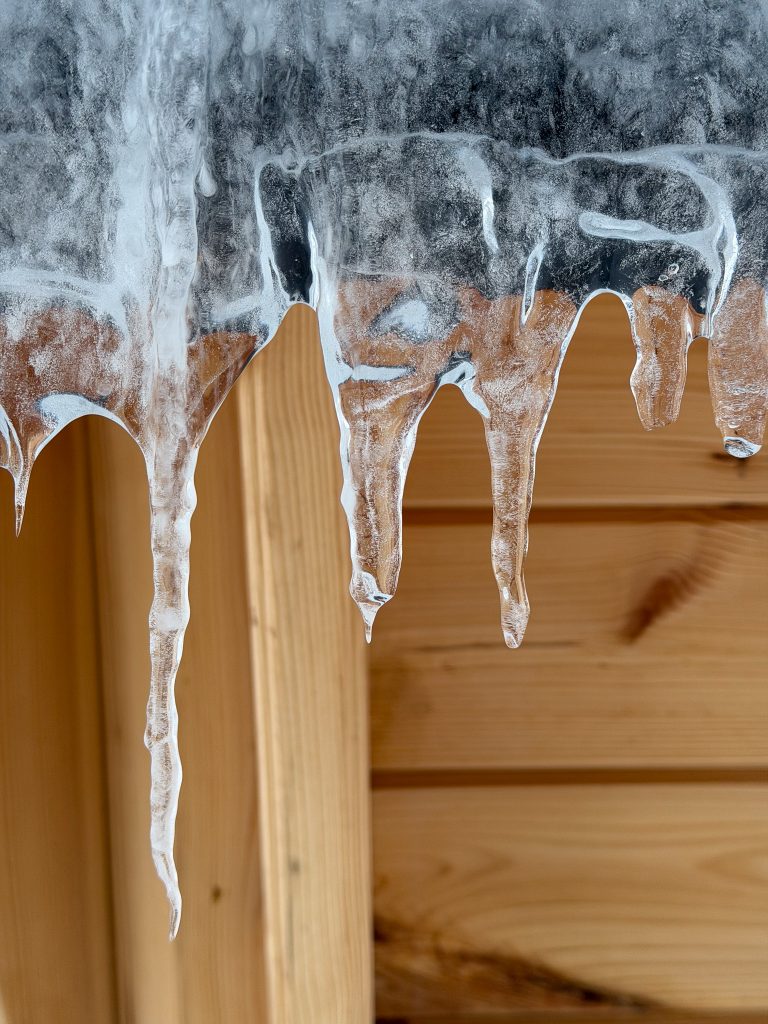
Wide landscapes and small details
When everything is white and vast, variety really matters.
*If you're unsure how to use Optical zoom and not Digital zoom, take a look at this blog post.
Tips for snowy landscapes
A few things I was constantly watching for:
Light first, subject second - snow comes alive in good light
Using frozen lakes and forests to show scale
Including people, tracks or sleds to avoid empty white scenes
Letting shadows and colour exist rather than fighting them
Snowy landscapes don’t need to be perfectly white to be beautiful. Often, the colour is the story.
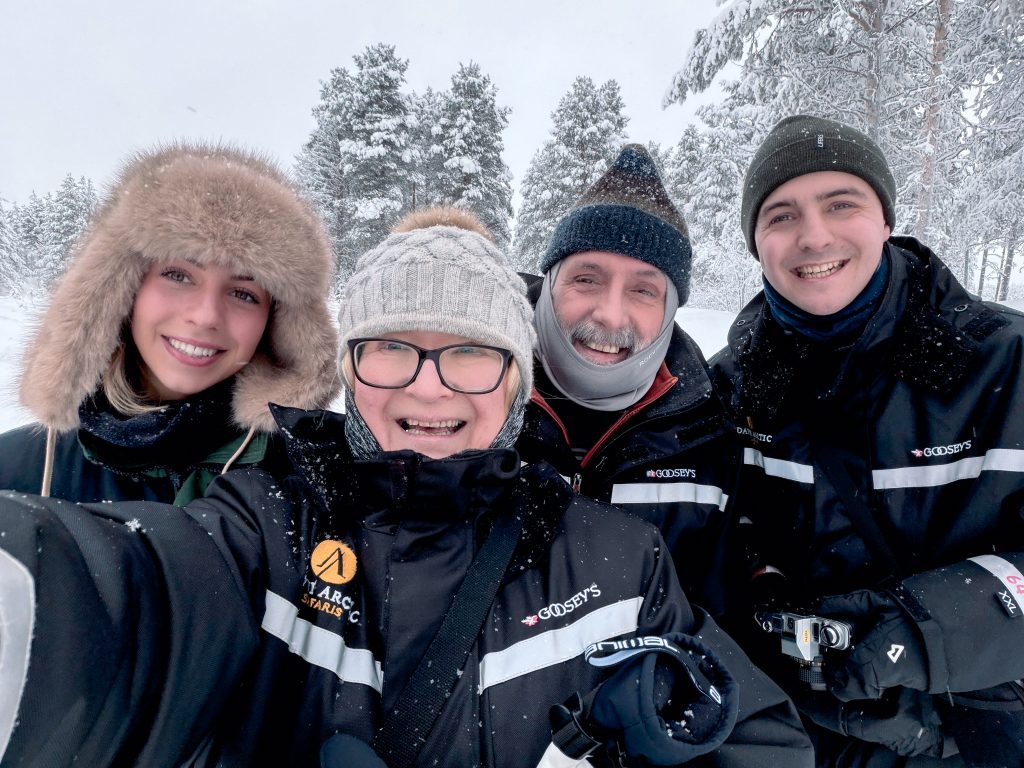
Yes… I took a lot of selfies
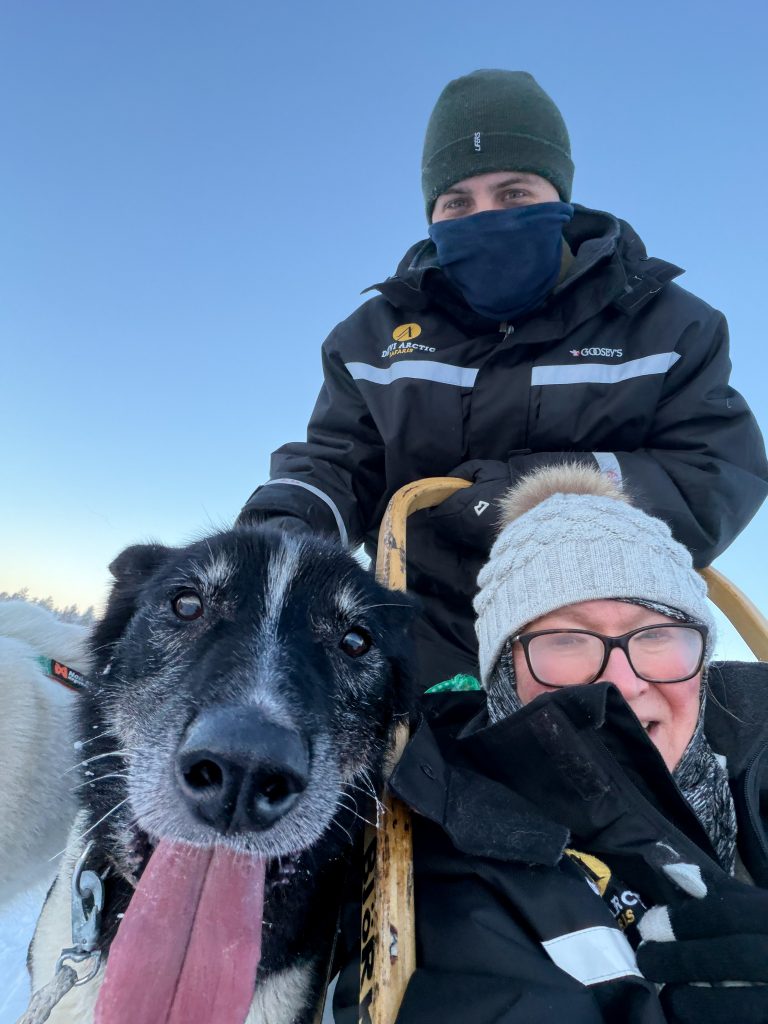
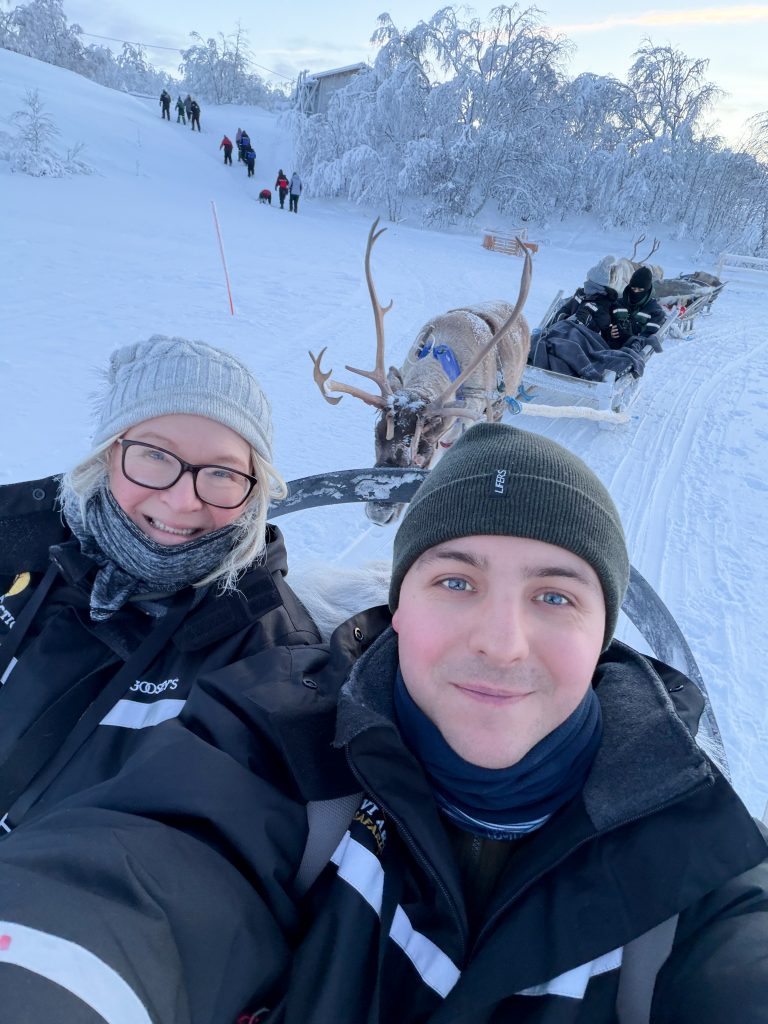
Normally, I don’t take many selfies. In Lapland? I took loads. Fast-paced experiences, cold fingers, moving sleds - selfies were often the only practical way to get photos with the whole family, or with the huskies and reindeer mid-action.
And some of them are my favourite images from the trip. They’re joyful, imperfect, full of life - and exactly the kind of photos people say they wish they had more of.
The real takeaway
This trip reminded me why I teach phone photography the way I do. You don’t need complex settings. You don’t need more gear. You don’t need to “upgrade” your camera.
What you need is:
Confidence
Awareness of light
A few practical techniques
And permission to trust the camera in your pocket
If you can do that in the Arctic, you can do it anywhere.
If you’d like to feel more confident capturing your own adventures, trips and everyday moments, my Phone Photography workshops are designed to do exactly that - practical, realistic and focused on the photos that actually matter.
Because the best camera really is the one that lets you stay in the moment.
About the trip
This four-night winter adventure took place in Hetta, Finnish Lapland. Our accommodation and activities were organised through Transun, a specialist Arctic travel company, with excursions including snowshoe walks, daytime and night-time snowmobile safaris, husky sled driving and a reindeer sleigh ride through the forests. All photographs in this post were taken on a mobile phone.
No comments yet.